Top 6 Things to Know About Adrenal Adenoma

Top 6 Things to Know About Adrenal Adenoma
If you've recently been told you have an adrenal adenoma, or if an imaging scan showed a small mass on one (or both) of your adrenal glands, you're in very good company. These benign tumors are discovered in up to 5–10% of people over age 50 who undergo abdominal CT or MRI scans for completely unrelated reasons.
Many patients are told, “It’s just a benign nodule—don’t worry about it, you’ll never need to do anything.” While that statement is technically true for some cases, it is dangerously incomplete for many others. Far too often, functional adrenal adenomas are dismissed as harmless, only for patients to suffer years of preventable high blood pressure, weight gain, diabetes, osteoporosis, fatigue, and other serious health consequences.
As the highest-volume adrenal surgeon in the world, having performed more adrenal operations than any other surgeon, I have evaluated and treated thousands of patients with adrenal adenomas. In this post, I want to share the six most important things every patient needs to know, so you can avoid being one of those who is told “just watch it” when you actually need expert evaluation and, frequently, surgery.
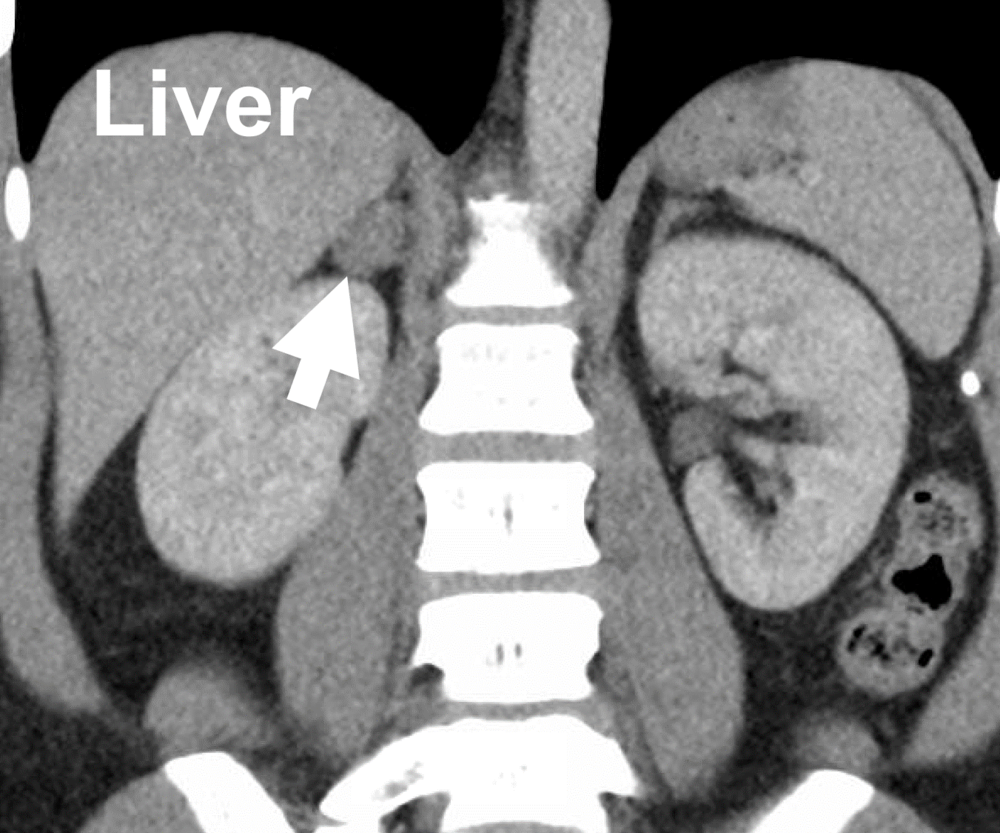
1. Most Adrenal Adenomas Are Benign, but a Significant Number Are Functional—and Many Will Eventually Require Surgery
An adrenal adenoma is a benign (non-cancerous) tumor that arises in the cortex (outer layer) of the adrenal gland. These small triangular glands sit atop each kidney and produce hormones critical for stress response, blood pressure, metabolism, salt balance, and more.
While the great majority of adenomas are indeed benign, a meaningful percentage (20–55% or more, depending on how thoroughly they are evaluated) are functional, meaning they over-produce one or more hormones. This is much higher than most general radiologists or primary care physicians quote, because many functional tumors are missed unless specific hormone testing is performed.
Even more importantly, among patients who come to a dedicated adrenal center like ours, a surprisingly large number of “incidentalomas” (adenomas found by accident) turn out to be producing excess cortisol, aldosterone, or, rarely, other hormones. Adrenal hypercortisolism (aka Mild autonomous cortisol secretion; MACS, formerly called subclinical Cushing syndrome) and primary aldosteronism (PA, Conn syndrome) are especially common and frequently underdiagnosed. Over time, this excess cortisol silently drives hypertension, weight gain around the abdomen, type 2 diabetes/prediabetes, osteoporosis, muscle weakness, mood changes, poor wound healing, and increased cardiovascular risk.
The bottom line:
- Yes, most adrenal adenomas are benign and will never become cancerous.
- No, it is not safe to assume they are non-functional or that you will “never need to worry about them.” Many patients who were told to simply monitor their adenoma end up requiring surgery years later when hormone overproduction becomes obvious or when complications from long-term hormone excess have already caused irreversible damage.
At the Carling Adrenal Center, we routinely find functional adenomas in patients who had previously been reassured that “nothing needs to be done.” Proper biochemical evaluation (lab testing) is essential—don’t accept “it’s benign, just watch it” without comprehensive hormone testing.
2. Functional Adenomas Cause Real Symptoms—Even When “Mild”
When an adenoma is functional, the symptoms depend on which hormone is overproduced:
- Cortisol excess → Gradual central weight gain, easy bruising, thin skin, facial rounding (“moon face”), buffalo hump, muscle weakness, hypertension, prediabetes/diabetes, insomnia, anxiety/depression, fatigue.
- Aldosterone excess → Resistant high blood pressure, low potassium, fatigue, anxiety, frequent urination, muscle cramps.
- Rarely, excess sex hormones or catecholamines (the latter is pheochromocytoma, which the radiologist will sometimes misdiagnose as an “adenoma”).
Many patients tell me: “I thought I was just getting older/stressed/out of shape/high blood pressure was normal, etc.” After we remove a cortisol- or aldosterone-producing adenoma, they frequently say, “I had no idea how bad I felt until I felt good again.”
3. Size Isn’t the Only Thing That Matters: Hormone Production Is Often More Important
For decades, surgeons were taught that any adrenal mass over 4 cm should be removed because of cancer risk. While larger tumors do carry a higher (still low) risk of adrenocortical carcinoma, modern management focuses on three key factors:
- Imaging characteristics (classic benign features vs. suspicious), including size
- Hormone production (functional or not, and to what degree)
- Patient-specific factors (symptoms, age, comorbidities)
Even small adenomas (0.5–2 cm; 1/4 of an inch) that produce excess cortisol or aldosterone can cause significant harm over time. Removing them often cures or dramatically improves hypertension, reduces medication burden, improves glucose control, and protects bone health. Recent long-term studies strongly support early intervention for functional tumors rather than waiting for severe symptoms.
4. Expert Minimally Invasive Surgery Is the Gold Standard, and Outcomes Are Excellent
If your adenoma is functional, surgery is the treatment of choice and almost always curative.
At our center, we perform Mini Back Scope Adrenalectomy (MBSA), a retroperitoneoscopic technique through small incisions in the back, in the vast majority of cases. Patients typically go home the next morning with minimal pain and rapid recovery. We also offer function-sparing (partial) adrenalectomy when appropriate, preserving healthy adrenal tissue and avoiding the need for lifelong steroid replacement in many patients.
Outcomes are dramatically better when surgery is performed by high-volume adrenal specialists. Choose a surgeon who does adrenalectomy hundreds of times per year—not a surgeon who does a handful.
5. Diagnosis Requires Comprehensive Biochemical Testing—Not Just Imaging
Every adrenal mass needs a complete hormonal workup, including:
- 1-mg overnight dexamethasone suppression test, ACTH, DHEAS (cortisol)
- Plasma aldosterone-to-renin ratio, potassium (aldosteronism)
- Plasma free metanephrines or 24-hour urinary fractionated metanephrines (pheochromocytoma rule-out)
- Additional markers as indicated
Never accept “it looks benign on CT” as the final answer without biochemical confirmation that it is non-functional.
6. With Proper Care, the Prognosis Is Outstanding
Adrenal adenomas are almost always benign. When functional ones are identified and treated by experts, patients often experience life-changing improvement: normalized blood pressure, better glucose control, weight loss, restored energy, stronger bones, and dramatically improved quality of life.
I’ve seen thousands of patients go from years of unexplained symptoms and multiple medications to feeling like themselves again after a straightforward 20-minute adrenalectomy.
If you’ve been diagnosed with an adrenal adenoma, don’t let anyone tell you “just watch it” without a thorough evaluation. Seek care from specialists who focus on adrenal disease every day. Early, expert management makes an enormous difference.
Have questions? Reach out to us at the Carling Adrenal Center. We’re here to help you get answers and get back to living your best life.
Dr. Tobias Carling, of the Carling Adrenal Center, is one of the world's leading experts in adrenal gland surgery. Dr. Carling performs more adrenal operations than any other surgeon in America. Dr. Carling left Yale University in 2020 to open the Carling Adrenal Center in Tampa, Florida.
To discuss the details of your case with Dr. Carling and become his patient, fill out the new patient form and he will be in touch with you shortly.
Additional Resources:
- Learn more about the Carling Adrenal Center
- Learn more about Dr. Tobias Carling
- Learn more about our sister surgeons at the Norman Parathyroid Center and Clayman Thyroid Center.
- Learn more about the Hospital for Endocrine Surgery