High Blood Pressure (Hypertension) Caused by Adrenal Tumors
Hypertension or high blood pressure (HBP) is one of the most common diseases in the world. Many people have it because of an adrenal hormone problem and do not know it. High blood pressure is the major risk factor for stroke, heart disease and heart arrhythmias. Nearly half of American adults have high blood pressure or are taking blood pressure medication. A normal blood pressure is below 120 mmHg systolic (the top number) and below 80 mmHg diastolic (the bottom number).Can high blood pressure be cured? Sometimes, yes. Millions of people with high blood pressure, though a minority of all patients with hypertension, have an adrenal tumor or adrenal hormone excess as the cause. When one adrenal gland is responsible, removing it almost always improves the blood pressure, and in roughly a third to a half of patients with PA it completely normalizes the blood pressure without medication. Learn about how a short Mini Back Scope Adrenalectomy (MBSA) operation can potentially cure you of high blood pressure and thereby decrease your chance of stroke, heart attack, and sudden death.
Primary Hypertension. In most cases, high blood pressure is due to what we call "primary hypertension". This means that no single underlying cause of the high blood pressure can be found. This is sometimes also called "essential hypertension". Primary hypertension is the most common form of high blood pressure and it can only be treated with medications and lifestyle modifications (the usual recommendations: exercise, lose weight, stop smoking and eat a healthy diet).
Secondary Hypertension. Secondary hypertension means that there is an identifiable cause underlying the high blood pressure. In other words, patients with secondary hypertension have something causing it, and often this is an adrenal hormone problem. In these cases, hypertension can be cured or markedly improved, often with a safe and straightforward Mini Back Scope Adrenalectomy (MBSA). This is why it is very important for doctors not to just treat the high blood pressure with medications without figuring out why the patient has high blood pressure in the first place.
This matters beyond the blood pressure numbers. Compared with people who have ordinary hypertension of the same severity, patients with PA have about 2.5–4 times the risk of stroke, 2.6–6.5 times the risk of heart attack and 3.2–12 times the risk of atrial fibrillation.
Three classes of adrenal hormones can cause high blood pressure. These are: 1) aldosterone, 2) cortisol, and 3) catecholamines (adrenaline-type hormones). Overproduction of any of them can cause secondary hypertension. That means PA, adrenal hypercortisolism (AHC), formerly called MACS (mild autonomous cortisol secretion) or subclinical Cushing syndrome, and pheochromocytomas are all associated with hypertension. Rare tumors that make sex-steroid hormones can also raise blood pressure when they produce cortisol or aldosterone-like hormones at the same time.
Interestingly, each of the different adrenal hormones causes a slightly different type of hypertension, with different symptoms. For instance, patients with AHC due to an adrenal tumor overproducing cortisol usually have sustained hypertension, often together with diabetes or prediabetes, weight gain and bone loss. In a randomized trial (CHIRACIC, Lancet Diabetes & Endocrinology 2025), adrenalectomy improved blood pressure control compared with conservative care in patients with MACS: the blood pressure goal was met in 46% of operated patients versus 15% of those managed without surgery. Patients with PA typically have sustained hypertension, which can be of any grade, from mild to severe and resistant to medication. Patients with a pheochromocytoma (or paraganglioma) may have completely normal baseline blood pressure but then have abrupt episodes (paroxysmal) of very severely elevated blood pressure, often together with headaches, palpitations, pallor (pale face) and sweating.
Important information: Most, but not all, patients with PA, AHC and pheochromocytoma have baseline hypertension. In fact, almost half of patients with pheochromocytoma or paraganglioma are normotensive (meaning having normal blood pressure) during large parts of the day.
Testing is especially important, and should also look for cortisol and adrenaline-type hormone excess where appropriate, if you belong to any of these groups of patients with hypertension:
Important to know: there are other causes of secondary hypertension not related to the adrenal gland. Common ones include sleep apnea, kidney disease, narrowing of the arteries to the kidneys, and certain medications. Other hormone problems can contribute as well. Primary hyperparathyroidism, due to one or more parathyroid tumors, is sometimes associated with high blood pressure; please review parathyroid glands, hyperparathyroidism and parathyroid surgery at our sister page . An overactive or underactive thyroid gland can also affect blood pressure. Learn about thyroid tumors, thyroid cancers, and thyroid surgery here.
Last updated October 2026.
Type
Systolic
Diastolic
Normal
Less than 120
Less than 80
Elevated
120 - 129
Less than 80
Stage 1 Hypertension
130 - 139
or 80 - 89
Stage 2 Hypertension
140 or higher
or 90 or higher
Hypertensive Crisis
Over 180
and/or over 120
Hypertension is a difficult problem because it is rarely accompanied by symptoms. That means that the patient is asymptomatic, and unless they have their blood pressure checked they will not know that they are hypertensive. If symptoms do occur, they may include headaches, lightheadedness, vertigo, tinnitus (ringing of the ears), altered vision or even fainting.
Adrenal Hormone Excess is the Most Common Curable Cause of High Blood Pressure
The most common curable cause of secondary hypertension has to do with adrenal hormones, and the adrenal tumors that overproduce them. This is called "endocrine hypertension" ("endocrine" means hormone). The most important example is primary aldosteronism (PA), also called Conn's syndrome or primary hyperaldosteronism, in which one or both adrenal glands make too much aldosterone. PA affects an estimated 5–20% of people with hypertension, which means millions of Americans, yet fewer than 1% of cases are diagnosed. Unfortunately, only a minute fraction of these patients is correctly diagnosed, treated and referred for possible curative surgery (adrenalectomy). Dr. Carling is passionate about changing this during his lifetime. It is not acceptable that many thousands of patients are sick and die prematurely due to an adrenal tumor that can often be treated with an operation that typically takes about 20 minutes. We need to do a better job diagnosing these patients by improving knowledge about the toxic effects of adrenal hormone excess and screening for it.
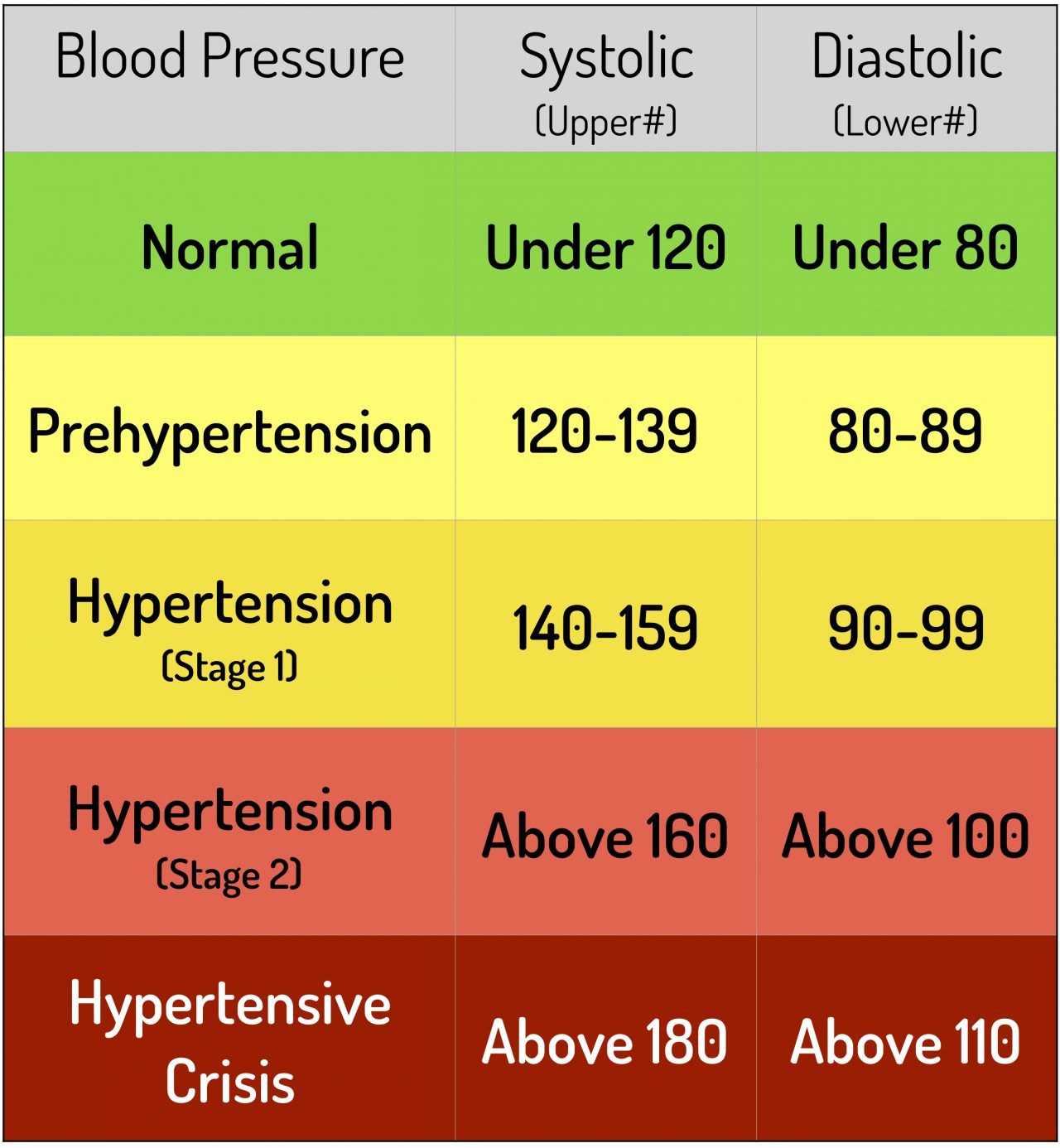 High blood pressure categories. Patients with high blood pressure need to be screened for adrenal hormone excess.
Who Should be Tested for an Adrenal Cause of High Blood Pressure?
Everyone with high blood pressure should be screened for PA at least once with two simple blood tests, aldosterone and renin (the 2025 Endocrine Society guideline). The result is reported as the aldosterone-to-renin ratio (ARR). A low potassium level is not required: most patients with PA have a normal potassium. Some blood pressure medicines can affect the result, so tell your doctor what you take. Read more about testing for primary aldosteronism and laboratory tests for adrenal tumors.
Become Our Patient
Patients needing adrenal surgery travel from all over the world to have adrenal surgery with Dr. Carling, one of the world's most experienced adrenal surgeons. This page discusses how you can have your adrenal operation at the Carling Adrenal Center with Dr. Carling himself.